
The High Stakes of International Law: Cooper Challenges Trump's Actions in Venezuela
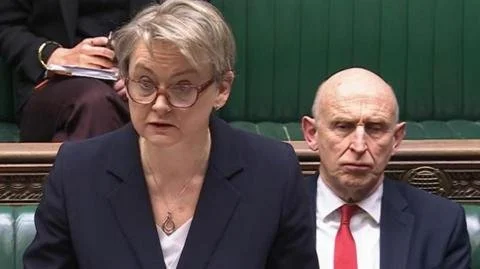
Foreign Secretary Yvette Cooper has sparked a crucial discussion regarding the implications of US military actions in Venezuela, specifically addressing her US counterpart Marco Rubio. Her urgent reminders about international law came in response to the recent military operation by US President Donald Trump, which resulted in the controversial capture of President Nicolás Maduro. This swift escalation of US involvement in Venezuelan affairs has led to accusations of violating global legal standards.
During a stormy debate in Parliament, Conservative leader Kemi Badenoch expressed disappointment over the lack of comment from Prime Minister, highlighting pressures mounting on the UK government to formally condemn Trump’s military actions. Security experts have voiced concerns that this kind of US intervention could disturb international political harmony and encourage authoritarian leaders, like Vladimir Putin, to similarly defy international agreements.
Cooper stated in Parliament that she has raised the issue of compliance with international law in her talks with Rubio, emphasizing the need for the US to clarify the legal justifications of their moves. She hinted at the potential role the UK could play in advocating a peaceful and democratic transition in Venezuela. However, the debate revealed a split in opinion, with figures like Emily Thornberry from the Labour party stressing the necessity for the UK to condemn what they see as a breach of international law, while some Conservative voices appeared to support the US’s stance.
Further complicating the conversation, accusations of double standards in international responses emerged, especially with Labour MP Richard Burgon criticizing the government’s hesitation to act against breaches of international law when committed by the US, contrasted with its strict stance toward actions taken by Russia. Cooper cautioned against drawing parallels between Trump’s actions and Russia’s aggression in Ukraine, focusing instead on the unique circumstances surrounding Venezuela.
The discussion also touched upon other geopolitical matters, notably Trump’s repeated insinuation of a desire to annex Greenland, which has drawn ire from both Danish and Greenlandic leaders. This highlights the broader implications of US foreign policy approaches and their potential to destabilize existing alliances like NATO.
Overall, Cooper’s push for dialogue on the importance of maintaining respect for international norms raises critical questions about the evolving nature of international law and the balance of power among nations established through multilateral agreements.