
The Last Stand: Can Hereditary Peers Secure Their Future in the House of Lords?
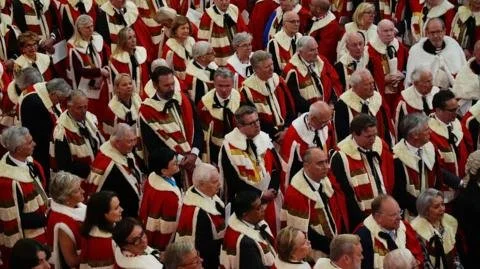
In a surprising twist of events, hereditary peers are making a desperate bid to retain their seats in the House of Lords amid ongoing debates and potential reforms targeting their status. Historically, hereditary peers have held their positions based on lineage, but with political climates shifting and the increasing push for modernization within the British parliament, their place in the Lords has come under scrutiny.
As discussions intensify around legislative changes, a faction of these peers is actively seeking to leverage current political dynamics to change lawmaker perceptions. This situation was ignited by the upcoming House of Lords reform proposals, which aim to reduce the number of hereditary peers significantly. Surrounded by uncertainty, these individuals are now exploring various strategies, including forming alliances with emerging political factions that share their interests in sustaining the status quo.
Despite the challenges, hereditary peers are not going down without a fight. They are employing lobbying tactics and highlighting their contributions to the Lords’ legacy, emphasizing that their presence adds unique perspectives and longstanding traditions to parliamentary proceedings. This effort underscores a larger narrative about preserving historical institutions while grappling with the need for evolution in the face of progressive values.
The outcome of this struggle could reshape the power dynamics within the House of Lords dramatically, making it a critical moment in British political history. Will the hereditary peers manage to navigate these turbulent waters and secure their relevance, or is their time in the Lords truly nearing its end?