
Transforming Tradition: New Attendance Rules Could Reshape the House of Lords
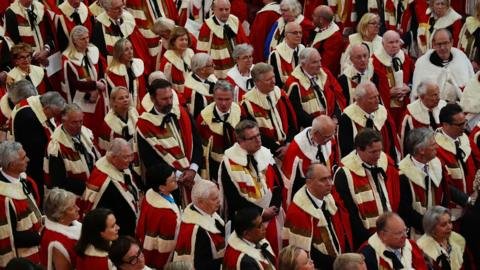
In a significant move to reform the House of Lords, proposed changes are aiming to implement new attendance rules for peers, particularly targeting members who have been absentee for long periods. This initiative is fostered by an increased push for accountability and a desire to ensure that the House operates effectively. A key proposal includes a minimum attendance requirement, which would compel members to either participate in debates and committees or risk losing their membership.
The changes come amid concerns about the diminishing effectiveness of the House, as the public and several lobby groups have expressed frustration over the absence of certain peers who have not been involved in legislative duties. The suggested rules are also seen as a response to the ongoing debates surrounding the role of the Lords in the legislative process and the necessity of maintaining a balance between tradition and modern governance.
Furthermore, the proposed reforms suggest a more transparent system that could allow the public to be informed about attendance records, thereby promoting a culture of responsibility among members. Proponents argue that such measures are essential not only for the integrity of the House of Lords but also for restoring public trust in this vital institution of British democracy. However, the changes are expected to face opposition from some peers who value the current system and argue that not all contributions can be measured by mere attendance. The proposed reforms reflect a growing trend towards ensuring that legislative bodies are not only representative but also active and engaged.