
Trump's Turbulent Diplomacy: How Greenland's Future Became a Political Ping-Pong
In a chaotic turn of events fueled by President Trump’s unpredictable diplomatic style, the controversy surrounding Greenland has captured international attention once again. This situation intensified with inflammatory posts on social media, where Trump shared bold claims and even provocative AI-generated images depicting a hypothetical scenario involving American ownership of Greenland. Despite the uproar, many of America’s allies, including the UK, expressed a collective sigh of relief as the situation began to de-escalate through Communication on platforms like Truth Social.
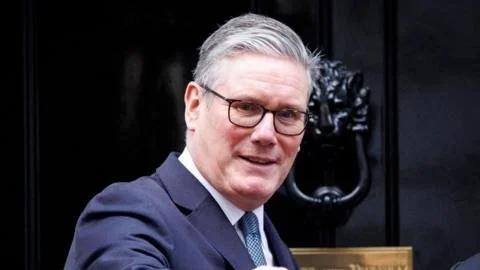
In the UK, British diplomats were notably active, engaging across various government levels to manage the fallout. Prime Minister emphasized the value of ”calm discussion”, navigating the delicate balance between public disagreement and the need for a stable relationship with the US. As tensions rose, Labour leader Sir Keir Starmer took a firm stance, asserting that the future of Greenland should be determined solely by the Greenlanders and Denmark, a critical point of ethical diplomacy.
Just as the situation appeared to threaten the UK’s relationship with the US, President Trump abruptly shifted his tone, seemingly backing away from his previous statements and decisions regarding tariffs on the UK. By maintaining his support for Greenland, the Prime Minister aimed to reinforce his stance in the Commons while managing the inherent risks involved.
The diplomatic saga serves as a reminder of the volatile nature of American foreign policy under Trump, characterized by provocative statements and a swift resolution that keeps global leaders guessing. As the dust settles, world leaders ponder the next potential ”diplomatic grenade” that may arise from the Oval Office, leaving both allies and adversaries wary yet hopeful for a semblance of order in international relations.