
Unlocking Controversy: The Plan to Open Migrant Detention Centres in Eco-Conscious Regions
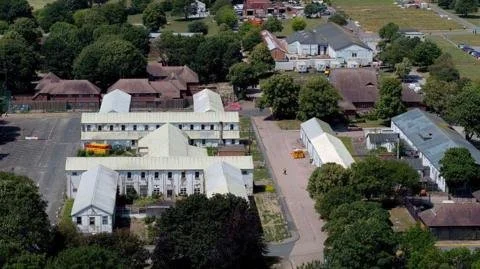
In a sweeping policy proposal, the government reveals intentions to establish migrant detention centres in areas traditionally known for their environmental advocacy and Green Party support. This decision has sparked a heated debate among local communities and environmentalists who are concerned about the implications of such facilities on both society and the environment.
The government’s rationale centers around creating a more manageable and effective immigration system, claiming that relocating detention centres to these areas could alleviate overcrowding in existing facilities while also promising job creation and funding for local economies. Proponents argue that this could help balance the immigration system, ensuring that processing occurs more efficiently and humanely.
Opponents, however, raise alarm over the potential violation of the communities’ values, emphasizing that they have been known to champion human rights and sustainable practices. Activists warn that introducing detention centres in these regions may contradict the long-standing missions of local constituents who prioritize refugee rights and the protection of vulnerable populations. Furthermore, there are concerns regarding environmental impact, infrastructure strain, and community cohesion.
The upcoming proposal faces significant backlash as local leaders mobilize against it, urging the government to reconsider its course. Individuals from various backgrounds are calling for more compassionate alternatives to detention, aiming for policies that focus on integration rather than detention.
With public opinion deeply divided, the government’s strategy to navigate between fiscal responsibility and humanitarian obligations promises to bring either transformative change or further polarization among stakeholders. As the dialogue surrounding this plan unfolds, it highlights the complexities of managing immigration, community values, and sustainability in the modern era.