
Unlocking the Digital Dilemma: Theatre Highlights Teens' Struggle with Phone Addiction
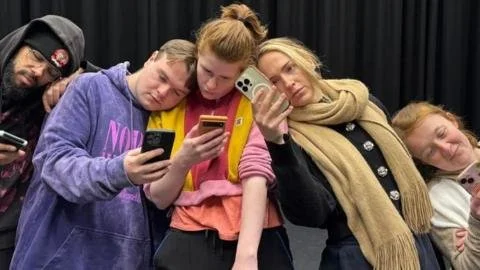
In an intriguing blend of theatre and social commentary, a new play titled Generation Fomo is set to make waves at the House of Commons. This engaging production, crafted by Isabelle Defaut, a Kent-based theatre director, explores the pervasive issue of mobile phone addiction among young people aged 11-25. Through a series of interviews, Defaut has unearthed the deep frustrations that many teens feel towards their reliance on technology and the social media landscape.
Defaut expresses that many young people are aware of their addiction and possess a sense of anger directed at tech companies that they feel exploit their vulnerabilities. This poignant play is intended not just as entertainment but as a call to action. During a pre-show interview, Defaut advocated for more serious measures against mobile phone usage in schools, pointing to Denmark’s proposed ban on smartphones in classrooms and suggesting that a similar policy could greatly benefit UK adolescents.
In addition, Defaut supports a social media ban for those under 16, similar to legislation in Australia. The performance at the Commons will take place in the Jubilee Room, and it includes a post-show discussion featuring educators, indicating a strong commitment to fostering dialogue about the play’s themes.
All Members of Parliament, including Prime Minister Keir Starmer, have been invited to attend. However, the director remains uncertain about Starmer’s participation, especially given his previous stance against banning smartphones for children. Defaut hopes that if he does attend, he might reconsider his views and advocate for a ban based on the insights shared by the young people in the show.
Support from the University of Kent’s School of Arts and Architecture has been instrumental in bringing Generation Fomo to life, with faculty and alumni actively contributing to the production’s development. This event underlines the increasing recognition of the impact of technology on youth and showcases the powerful role that art can play in prompting social change.