
Unlocking the Mysteries of Council Tax: What You Need to Know!
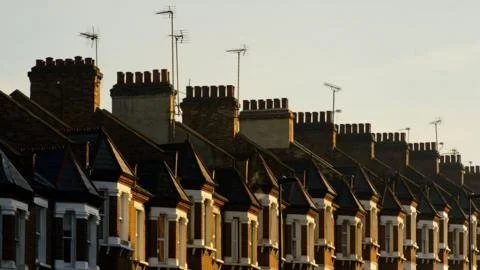
Council tax is a crucial component of local government funding in the UK, but it often raises questions among residents about its structure and purpose. Each household pays a specific rate based on the value of their property, which is determined by the local council and varies depending on the postcode.
How much is council tax? This varies significantly across regions and is dependent on the banding system that categorizes properties. Each property is assigned a band (ranging from A to H) based on its estimated market value as of April 1991. Band A represents the lowest property values, while Band H covers the highest.
To add to the complexity, councils have the discretion to set different rates, which means that even neighboring towns can have varying council tax amounts. Additionally, discounts and exemptions may apply for students, disabled residents, and properties that are unoccupied.
So, what does this money actually fund? Council tax primarily supports vital local services, such as education, transport, waste management, and social services that are essential for community well-being. A significant portion also goes towards maintaining public spaces, which enhances the quality of life in local neighborhoods.
In conclusion, understanding council tax is essential not just for budgeting but for recognizing how local services are funded and provided. This essential contribution connects residents to their community’s infrastructure and services, making it a vital part of civic engagement.