
Unmasking the Threat: Starmer's Bold Strategy to Combat State-Sponsored Terrorism
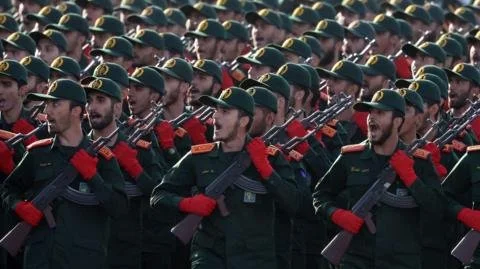
In a groundbreaking proposal, Labour leader Keir Starmer is advocating for new legislative powers aimed at combating state-backed terror groups. This initiative comes in response to increasing concerns over the influence and operations of such groups on British soil. Starmer is urging the government to take decisive action by introducing measures that would provide law enforcement agencies with the tools necessary to identify, monitor, and ultimately ban organizations suspected of being funded or supported by foreign states engaged in terrorist activities.
This plan seeks to not only enhance national security but also to safeguard freedom and democracy within the UK. Starmer argues that by equipping authorities with robust capabilities to tackle these threats, the government can more effectively protect its citizens from those who would use violence and intimidation for political ends.
He emphasizes the importance of international cooperation in combating these threats, suggesting that the UK should work closely with allies to share intelligence and implement sanctions against nations that harbor or support terrorist elements. This strategy reflects a broader stance that recognizes the evolving nature of terrorism and the necessity for proactive measures.
Starmer’s proposals have sparked debate among political peers, with some applauding the forward-thinking approach while others express concerns regarding civil liberties and overreach. As discussions unfold, the spotlight remains on how effectively the proposed powers can be balanced with human rights protections, ensuring that efforts to combat terrorism do not compromise the very freedoms they aim to protect.