
Unraveling Devolution: How Power is Shared Across the UK
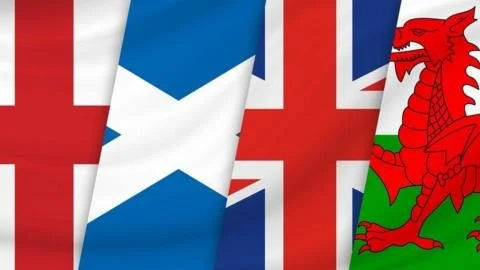
Devolution is a key concept in the governance of the United Kingdom, involving the transfer of power from the central government to regional administrations. This process allows Scotland, Wales, and Northern Ireland to manage their own affairs in various areas, leading to more localized decision-making.
How It Works:
Scotland, through the Scottish Parliament, has powers over areas such as education, health, and justice. It was granted significant autonomy following the 1997 referendum, which showcased a strong desire for self-governance.
Wales operates under the Senedd, which has gradually gained more powers since its establishment. The Government of Wales Act 1998 initiated this trend, allowing Wales to legislate on a growing number of issues.
Northern Ireland, with the Northern Ireland Assembly, has powers similar to Scotland and Wales. Its devolution has been marked by challenges, particularly related to political stability and the peace process post-Good Friday Agreement.
Importance of Devolution:
Devolution plays a crucial role in acknowledging the diverse identities and needs of the UK’s nations. It promotes political engagement at local levels, enabling citizens to have a say in matters that affect their daily lives. However, complexities arise from varying degrees of powers and the relationship between central and devolved governments, which can lead to tensions over issues of authority and resource allocation.
Conclusion:
The ongoing evolution of devolution in the UK is a dynamic and often contentious process, reflecting the need for a balance between unity and regionalism. Understanding how devolution works is essential for grasping the intricate fabric of governance across the UK.