
Unveiling the Truth: Did Chancellor Reeves Mislead Us Before the Budget?
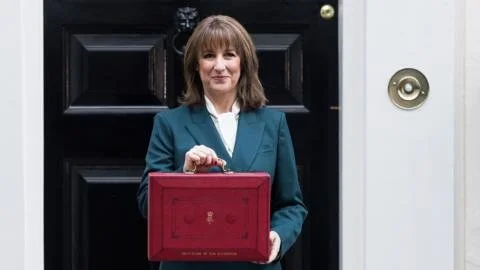
In a storm of controversy, Chancellor Rachel Reeves faced accusations of misleading the public ahead of her recent Budget announcement. In an unprecedented move, Reeves held a pre-Budget news conference on November 4, aiming to lay groundwork for the tough choices ahead. She correctly predicted significant tax rises and emphasized her commitment to addressing the cost of living and maintaining long-term investment spending. However, the crux of the issue lies in the productivity forecasts made by the Office for Budget Responsibility (OBR). Although Reeves acknowledged potential challenges, she concealed a crucial piece of information: better-than-expected tax receipts that could alleviate the predicted fiscal difficulties.
While Reeves’s statements during the conference were not false, the failure to disclose the positive tax data she was aware of raised questions about her transparency. Ten days later, when it was politically – and financially – beneficial, the Treasury revealed that tax receipts were stronger than previously projected, which significantly changed the financial landscape. The OBR’s communication timeline made it clear that the Chancellor was aware of this information yet chose not to disclose it at the news conference.
Critics argue that this selective sharing of information constitutes misleading behavior. Nevertheless, the Treasury contends that Reeves was merely being cautious in addressing the substantial gaps in her fiscal spreadsheets. The debate continues as to whether she should have based her plans on early forecasts or whether the caution was justified given the uncertainties surrounding the economic outlook. Ultimately, the implications of Reeves’s decision to withhold information leave lingering doubts about the integrity of her communication and the trust we place in governmental disclosures.