
Unveiling the Truth: Jack Smith's Testimony on Trump's Controversial Prosecutions
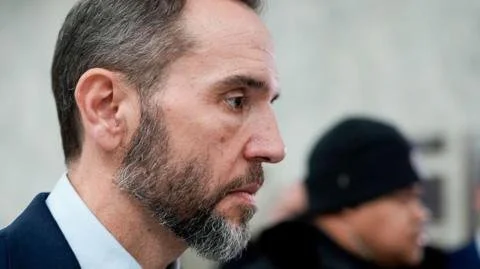
On New Year’s Eve, the US Congress unveiled a detailed transcript of Jack Smith’s testimony, shedding light on the contentious prosecutions of Donald Trump. This 255-page document includes Smith’s defense of his actions as the former Special Counsel overseeing two significant investigations against Trump. His testimony emphasized the criminal charges relating to Trump’s handling of classified documents and his alleged attempts to overturn the 2020 presidential election results.
In his nearly eight-hour deposition, Smith explained that he made the decision to pursue charges against Trump based on substantial evidence collected during the investigation. He stated, “The decision to bring charges against President Trump was mine, but the basis for those charges rests entirely with President Trump and his actions.” Smith asserted that there were grounds for believing that Trump had engaged in a criminal scheme aimed at undermining the election results and obstructing the lawful transfer of power.
The deposition also touched upon Trump’s behavior after the charges were pursued. Smith alleged that Trump attempted to obstruct justice, particularly in relation to the retention of classified documents at his properties, which were found in various incongruous locations, including a bathroom and a ballroom. Smith’s findings ignited fierce political debates, with Trump labeling the day of his indictment as a “dark day for the United States of America” while simultaneously denying any wrongdoing.
Smith noted the context of his investigations, initiated under President Joe Biden, had culminated in a report indicating sufficient evidence to charge Trump. The testimony garnered mixed reactions, particularly from Democratic lawmakers, who pressed Smith on the retaliatory motives behind Trump’s demand for criminal investigations against his opponents.
Additionally, Smith discussed his team’s efforts in obtaining call records of certain members of Congress to reconstruct communication paths related to the January 6 Capitol attack. While controversial, he defended the request as a standard procedure pivotal in understanding interactions between Trump’s inner circle and congressional members surrounding that pivotal event.
Overall, Smith’s testimony unfurled the political and legal saga surrounding Trump, illustrating the contentious dynamics of his presidency, the role of the judiciary, and the ongoing discourse over accountability and retribution in US politics. The fallout from these investigations continues to shape the narrative as Trump seeks re-election amid these significant legal challenges.