
Wales on the Brink of a Political Revolution: Will Voters Be Prepared?
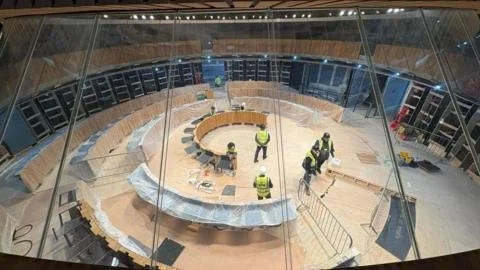
As Wales approaches the new year, significant transformations are on the horizon for the Senedd, heralded as a “once in a century change.” In May, the parliament will see its membership swell from 60 to 96 members, with restructuring of both constituencies and the voting system. This upcoming election could dramatically reshape the political landscape as Labour faces mounting pressure from rivals like Plaid Cymru and Reform, ushering in 2026 as a pivotal year.
Election campaigners face an uphill battle in informing voters about these substantial changes. Jess Blair from the Electoral Reform Society Cymru expressed concern, stating, “Getting the message out is historically a tough ask.” With less than 50% voter turnout in previous elections, the challenge is compounded by a lack of public awareness and media coverage.
On the ground, many voters are oblivious to these shifts. Young mothers and residents alike expressed confusion about the changes, calling for more accessible information. Yvonne Murphy, founder of The Democracy Box, criticized the rush to get people to vote without ensuring they understand the process, likening it to playing a game of Monopoly without knowing the rules.
Preparations at the parliamentary estate are underway to accommodate the additional Members of the Senedd (MSs), with costs estimated at £4.2 million for upgrades, including 36 new desks. While the expansion is supported by several political parties, critics caution against the expense amid growing public concerns about financial accountability.
The reduction of constituencies from 40 to 16, each represented by six MSs through a new proportional system, marks one of the most radical reforms since devolution began in 1999. Elin Jones, the presiding officer of the Senedd, highlighted the importance of these changes, stating they offer the opportunity for a parliament that can effectively serve Wales.
As the date of the election nears, Jones expressed excitement about the upcoming opportunities for Wales, urging politicians to take up the responsibility of informing the public about these critical changes. With Labour struggling in polls, the uncertainty surrounding the election could energize Welsh citizens to engage and make their voices heard.