
Will a Customs Union with the EU Save the UK Economy? TUC Chief Makes a Bold Case
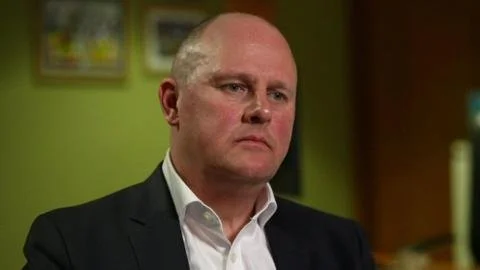
In a striking call to action, Paul Nowak, the leader of the Trades Union Congress (TUC), emphasized the need for the UK to establish the “closest possible economic and political relationship” with the ***European Union***. He strongly urged Prime Minister Keir Starmer to reconsider the rejection of a ***customs union***, arguing it could significantly enhance economic growth by reducing trade barriers with the EU, the UK’s largest trading partner.
In his interview with the BBC, Nowak expressed urgency regarding the current cost of living crisis facing UK families, linking high supermarket prices to the consequences of a poorly negotiated Brexit. He warned that unless the government takes bold actions to improve living standards, voter faith in mainstream politics might wane, possibly benefiting alternative parties like the Reform UK.
Starmer, while advocating for a reset in UK-EU relations, has ruled out rejoining the EU’s single market and customs union, fearing potential retraction of trade agreements with nations like the US and India. This stance has emerged despite a growing chorus within his party, including statements from senior ministers who are expressing concerns about economic fallout from Brexit.
Notably, a recent poll indicated that 13 Labour MPs have shown support for negotiating a bespoke customs union with the EU, reflecting a rising discontent with the repercussions of Brexit among the political class and their constituents. However, opposition parties, including the Conservatives and Reform UK, maintain that rejoining a customs union would dismantle the perceived benefits of Brexit and hamper the UK’s ability to create its own global trade agreements.
Nowak highlighted his workplace tours, revealing that sectors like aerospace, automotive, and steel emphasize the necessity of harmonious trading relations with Europe. He insisted that the government must explore all possible relationships with the EU and consider a customs union as one viable option.
Beyond trade policies, Nowak also called for substantial improvements in workers’ rights and warned against delaying the implementation of the Employment Rights Act. He asserted that current governmental reforms—while welcomed—must extend deeper to resolve the overarching concerns of working-class voters, especially as research indicates that many people are feeling financially insecure.
In response to changing public sentiment, Nowak acknowledged the rise of voices calling for change within Labour, citing the election of Andrea Egan as the leader of the biggest union, ***Unison***, as a sign that party leadership may need to pivot in response to the electorate’s demands for a more urgent and profound change in direction.
Nowak concluded that the government has the capability to respond to public dissatisfaction with effective economic policies, stressing, “If the government can deliver on improving living standards, then I think the polls will look after themselves.” His remarks serve not only as a plea for better economic strategies but also as a stark reminder that the political landscape is shifting, and people’s patience is waning.