
Breaking Free: India's Ambitious Quest for Rare Earth Magnets
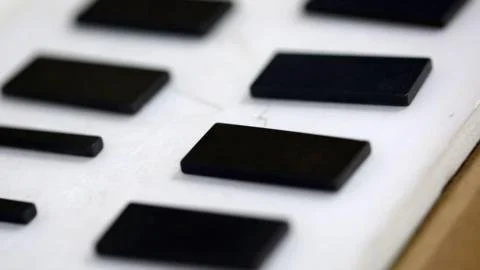
In November 2025, India unveiled a bold plan with a 73 billion rupee ($800 million) initiative aimed at reducing its overwhelming dependence on China for critical rare earth magnets. These vital components are integral to modern technologies, powering everything from electric vehicles to smartphones and defense systems. The Indian government’s strategy focuses on establishing a self-reliant ecosystem, particularly targeting the production of permanent magnets, which are in high demand and essential for various industries.
Despite its potential, the path to success is fraught with challenges. Currently, India imports 80-90% of its needed magnets and related materials from China, which dominates over 90% of global rare earth processing. The vulnerability of India’s supply chain was starkly highlighted during a trade dispute with China, which restricted exports and disrupted Indian industries, particularly in the electric vehicle sector.
While the new scheme suggests a promising direction, experts caution that merely allocating funds will not guarantee success. India lacks significant industrial expertise in magnet manufacturing, trailing behind countries like Japan, South Korea, and Germany, which have decades of experience in the field. Industry specialists like Neha Mukherjee emphasize that strategic partnerships and a skilled workforce are crucial for building India’s magnet production capabilities.
Additionally, India’s rare earth reserves are substantial—ranking third in the world with about 8% of global totals—yet it contributes less than 1% of global mining output. The operational challenges are compounded by the fact that India has only one active mine, while many essential raw materials, particularly the heavier elements like dysprosium and terbium, are still largely sourced from abroad.
Projected domestic demand for magnets may reach 7,000 tonnes annually, yet the goal of producing 6,000 tonnes by the early 2030s may leave India still reliant on imports. Moreover, experts emphasize that for India to truly break free from reliance on Chinese magnets, domestic production must not only scale up but also be competitively priced against cheaper imports.
Experts propose incentives for both manufacturers and buyers as potential solutions to ensure that Indian products thrive in the market. Ultimately, while India’s initiative to develop a robust rare earth ecosystem signifies a major step forward, navigating the intricate landscape of technology, expertise, and raw materials will be crucial for achieving true self-sufficiency in this pivotal sector.