
Unlocking Investment: How US-Taiwan Trade Deal Could Transform Semiconductor Production
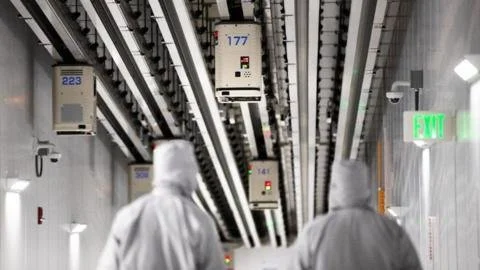
In a significant shift in trade policy, the US has announced a reduction in tariffs on Taiwanese goods to 15%, contingent upon a commitment from Taiwanese firms to invest $250 billion towards enhancing domestic semiconductor production. This agreement, confirmed by the Commerce Department, is aimed at mitigating the supply chain vulnerabilities exposed during the Covid-19 pandemic, particularly regarding semiconductor shortages that affected industries relying on chip supplies, from automobiles to consumer electronics.
Commerce Secretary Howard Lutnick emphasized that the trade deal is a step towards making the US more self-sufficient in semiconductor manufacturing. The arrangement includes provisions that grant tariff exclusions specifically for Taiwanese semiconductor entities investing in the US. The US has invested heavily in the semiconductor sector, offering massive subsidies to attract investments from top players like TSMC (Taiwan Semiconductor Manufacturing Company), which recently opened a plant in Arizona with $40 billion in US government support.
The Taiwanese government is also set to back domestic firms with an additional $250 billion in financing. Historically, Taiwan has sought to negotiate better trade terms with the US, especially against a backdrop of national security concerns amid rising tensions with China, which claims Taiwan as its own territory. The new tariff rate aligns with those imposed on other key American trade partners, suggesting a more competitive stance in global semiconductor trade.
This announcement comes amidst broader struggles within the American semiconductor sector, where rival Intel faces challenges in advanced chip production, leading to significant job cuts. As the Supreme Court deliberates on the legality of existing tariffs, the success of this deal could reshape the landscape of semiconductor manufacturing and investment in the US, potentially enticing smaller companies to relocate operations on American soil.