
Is America’s Economy on a Banana Republic Path? Unpacking Trump’s Federal Reserve Clash
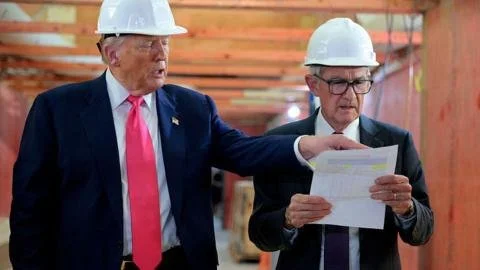
In a surprising twist that evokes shadows of Argentina’s economic strife, Donald Trump’s conflict with the Federal Reserve (Fed) has caught the attention of former Argentinian central bank chief Martin Redrado. Trump, returning to power last year, has publicly criticized Fed Chair Jerome Powell for allegedly mishandling the economy by maintaining high interest rates, which he claims inflate government debt costs. His confrontational tactics include attempting to dismiss Lisa Cook, a top policymaker, a move now under judicial scrutiny.
Redrado’s alarming comparison highlights the political pressure that central banks can face, marking a worrying potential trajectory for the U.S. economy. Economists echo this concern, warning that such political interference undermines the independence necessary for effective monetary policy. Trump’s behavior has prompted comparisons to banana republics, a term used to depict nations with unstable economies and governments.
Former Fed Chair Janet Yellen has boldly echoed these sentiments, suggesting Trump’s desire to influence the Fed could lead the country down a dangerous economic path. Key economic studies find that central banks operating under political pressure often result in higher inflation and currency depreciation, as seen in other countries like Turkey and Argentina.
Despite these threats, current market reactions seem subdued, with analysts predicting that the Fed might weather this political storm due to its operational structure, which involves a committee of policymakers rather than solely presidential authority. However, both inflation expectations and public confidence remain areas of concern, as they can quickly shift. The article outlines the significant risks of compromising central bank independence while highlighting the urgent need for political leaders to respect the autonomy of financial institutions.
Amidst impending Supreme Court rulings and Trump’s controversial actions, observers are increasingly vigilant about the implications for economic stability in the U.S. Redrado remains hopeful that American institutions can withstand these strains, yet warns Trump of the unnecessary risks of his actions. Ultimately, the evolving dynamics could redefine the landscape of U.S. economic policy, prompting crucial discussions on the boundaries of political influence over monetary governance.