
Brexit Reimagined: The UK’s Bold Move Towards a Closer European Embrace
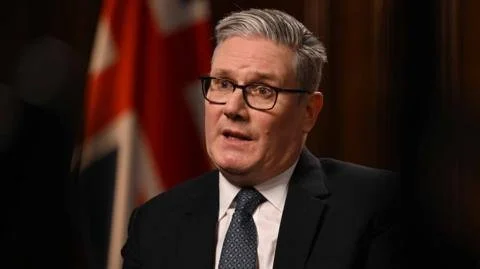
In a significant shift in strategy, the UK Prime Minister has indicated a renewed focus on strengthening economic ties with the European Union post-Brexit. This strategic pivot aims to address concerns from business sectors, Brussels, and European nations, while also appeasing backbenchers within his own party. Instead of solely relying on a formal review of the current UK-EU trade deal, future bilateral discussions will explore closer economic relations as a routine process.
This change comes amid rising political calls from various sectors—Labour backbenchers, union leaders, and some cabinet ministers are pressing for a more ambitious approach, including potential realignments with the customs union. Labour leader, Sir Keir Starmer, has articulated his desire for a ”closer relationship” with the EU’s single market, signifying a departure from prior priorities and seeking to maintain existing trade agreements with countries like the US and India.
Following the separation from the EU in January 2021, the government’s previous agreements highlighted autonomy over EU regulations, risking the frictionless trade crucial for exporters. Starmer’s envisioned ”Brexit reset” targets specific sectors—food exports, electricity, and emissions trading—to facilitate smoother trade flows and address post-Brexit red tape that has heavily impacted the business landscape.
The British Chambers of Commerce revealed in a recent survey that many businesses believe the current trade deal hinders their sales, indicating a desire for more flexibility in aligning with single market rules to ease barriers in various industries, including automotive and chemicals. Despite previous setbacks in expectations around the UK’s participation in the Security Action For Europe defense fund, recent agreements like rejoining the Erasmus university program provide a framework for renewed UK-EU dialogue.
Additionally, shifts in geopolitical dynamics, influenced by the US National Security Strategy, reflect a broader context for the UK’s evolving relationship with Europe. In light of potential challenges from rival political groups, such as the Liberal Democrats and the Green Party, the Prime Minister’s latest remarks underscore a combination of economic necessity, political strategy, and international relations as the country approaches the 10th anniversary of the Brexit referendum. This strategic recalibration reveals the UK’s commitment to navigating the complex terrain of post-Brexit realities, ensuring a robust and proactive engagement with its European neighbors.