
Budget Secrets Unveiled: The Scandal of Pre-Budget Leaks and Its Impact on the Economy
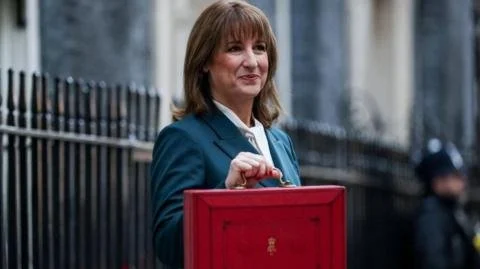
Chancellor Rachel Reeves is launching an inquiry into pre-Budget leaks from the Treasury, which have significantly affected business and consumer confidence as well as influenced financial markets. This was revealed by James Murray, the chief secretary to the Treasury, during a session in the Commons. The leaks included sensitive information on tax policies such as potential freezes on income tax thresholds, a pay-per-mile levy for electric vehicles, and a proposed tourist tax leading up to the Budget scheduled for November 26.
Speaker Sir Lindsay Hoyle condemned the leaks, labeling it the ”hokey-cokey Budget,” emphasizing that announcements should be first made in the Commons. Murray reassured that the Treasury prioritizes Budget security and confirmed that the inquiry, spearheaded by senior civil servant James Bowler, aims to review existing security processes to prevent future leaks of sensitive information.
Despite the inquiry’s promise, Dame Meg Hillier, chair of the Treasury Select Committee, expressed skepticism about leak inquiries, noting they rarely lead to accountability. She pointed to the recent resignation of Richard Hughes, who left his post at the Office for Budget Responsibility (OBR) following a pre-Budget document leak that prematurely disclosed significant measures.
The continuous stream of headlines regarding taxation and economic forecasts had a substantial impact on bond markets, thereby influencing the interest rates on the UK’s debt. Furthermore, a Barclays survey highlighted that over 50% of business leaders postponed their investment decisions in light of the uncertainty stemming from the leaks. Mark FitzPatrick, CEO of St James’s Place, stated that many individuals withdrawn pension savings out of fear over potential changes, stating that speculation surrounding Budget announcements significantly affects people’s financial decisions, calling it ”unhelpful” when these speculations can disrupt lives.