
Is 'Carspreading' the Future of Roads or a Threat to Urban Life?
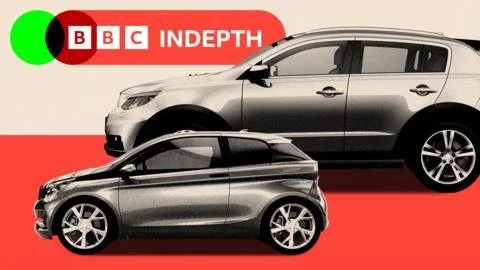
’Carspreading’ is a growing trend in the UK and Europe, where vehicles are becoming notably larger, heavier, and wider. As car enthusiasts embrace big vehicles for their perceived benefits such as safety and practicality, city authorities are facing a dilemma: should they promote these vehicles or impose restrictions to combat environmental issues?
Paris, leading the charge in this initiative, has implemented drastic measures to reduce pollution and traffic congestion. As part of these efforts, parking charges for heavy vehicles surged dramatically following a public vote, showcasing the city’s commitment to maintaining air quality amidst mounting vehicular sizes. Mayor Anne Hidalgo emphasized that larger cars produce more emissions, a claim supported by a noticeable decline in such vehicles in the city.
Similarly, cities like Cardiff are considering increased parking fees for heavier vehicles, citing their negative impact on road safety and wear, especially during collisions. Current statistics reveal a notable trend: between 2018 and 2023, the average width of new cars in the UK increased from 182 cm to 187.5 cm, while average weights rose from 1,365 kg to 1,592 kg.
SUVs are at the forefront of this shift, representing 59% of the market by 2025—up from just 13.2% in 2011. Their size and elevated position provide drivers with improved visibility and a sense of security, driving their popularity, particularly among families. However, concerns regarding their safety for pedestrians and cyclists are escalating. Research indicates that an increase in the height of a vehicle’s bonnet significantly raises the risk of fatal accidents involving vulnerable road users.
From an environmental standpoint, the International Energy Agency argues that despite advancements in fuel efficiency, the trend toward heavier vehicles like SUVs negates progress on emissions and energy efficiency. Some solutions have emerged, such as taxation models used in France, where heavier vehicles incur additional registration fees. Advocates like Tim Dexter from T&E call for similar measures in the UK, claiming that large vehicles must shoulder more financial responsibility for their impacts.
Despite resistance from many motorists who insist on the utility of large cars, the automotive industry is exploring ways to revitalize smaller, eco-friendly vehicles, especially with advancements in electric technology. The market may shift back toward smaller vehicles, but for now, SUVs dominate the landscape, reflecting evolving consumer preferences and posing questions about future road safety and urban development.