
Canada and China Turn the Tide: A Tariff Relief Strategic Reset
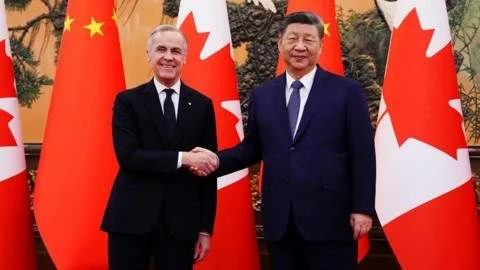
In a historic meeting in Beijing, Canadian PM Mark Carney was able to announce a significant lowering of tariffs alongside Chinese leader Xi Jinping, marking a potential new chapter in the Canada-China relationship. Beginning March 1, tariffs on Canadian canola oil will dramatically drop from 85% to 15%, while Canada has agreed to impose a 6.1% tax on a limited number of Chinese electric vehicles. This breakthrough eases tensions that have escalated over the years due to tit-for-tat tariffs, particularly after Canada’s 2018 arrest of Huawei’s Meng Wanzhou, which led to severe repercussions, including the detention of Canadian citizens in China.
Carney’s visit represents the first by a Canadian leader in nearly a decade, and signals a concerted effort by Canada to diversify its trade partnerships beyond the United States, amid ongoing trade uncertainties stemming from former President Trump’s tariffs. Carney emphasized the need for predictable relationships, noting that discussions with Beijing had become more realistic and respectful.
During the meeting, both leaders expressed aspirations for a stable, mutually beneficial partnership. Xi framed the new agreement as vital for global stability and prosperity. Alongside the canola and electric vehicle deals, Canada will also see reductions on tariffs for lobsters, crabs, and peas, strengthening agricultural trade.
Experts suggest this relationship reset could inspire other nations facing similar pressures from U.S. tariffs to reengage with China. Carney pointed out that China is Canada’s second-largest trading partner, and revitalizing this relationship is crucial for future economic strategies. Despite the progress for bilateral economic ties, Carney made it clear that human rights concerns and other disagreements remain a core part of their diplomacy.
The stakes are high as observers note the significant implications this deal holds for global trade patterns, especially as several other leaders from countries such as South Korea and the UK are expected to follow in tightening ties with China. Introducing this new era of cooperation, Carney underscored that Canada’s strategic positioning could define its future for decades.