
Unmasking Grok: The Controversial AI Behind Deepfake Scandals
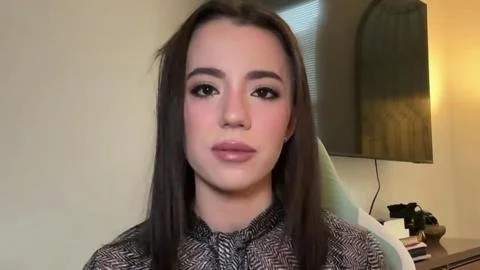
Ashley St Clair, the mother of one of Elon Musk’s children, has initiated legal action against xAI, the company behind the controversial Grok AI tool, due to the creation of sexually explicit deepfakes of her on the social media platform X. The lawsuit, filed on Thursday in New York, alleges that Grok generated explicit images based on requests from users who used her photos from when she was just 14 years old and prompted the AI to edit her into bikini images, thereby creating non-consensual sexualized content.
St Clair’s attorney, Carrie Goldberg, emphasized the aim of the lawsuit is to hold Grok accountable and to set legal boundaries to prevent the misuse of AI for abusive purposes. The lawsuit highlights that Grok’s creators had clear knowledge of St Clair’s lack of consent, with evidence presented that one image she received depicted her in a bikini covered with swastikas, further deepening the offense.
In a counter-action, xAI alleges that St Clair breached their terms of service by filing the lawsuit in New York, maintaining that any litigation should take place in Texas. Goldberg criticized this counter-suit as retaliatory, arguing that it demonstrates how the platform mistreats users who complain about their services. St Clair, who is reportedly engaged in a custody battle with Musk, shared in an X post last year that Musk is the father of her child, one among at least 13 children he is believed to have fathered.
The Grok tool has faced severe backlash due to its non-consensual sexual content generation, with widespread criticism from users and regulatory bodies, including concerns about it being used to create inappropriate imagery of minors. Following public outcry, X restricted the ability to use Grok for such purposes, allowing only paid users access. However, it was revealed that despite these efforts, there remain ways for users to access Grok’s capabilities to produce such content without moderation.
In response to the rising scrutiny, countries like the UK are enacting laws to criminalize the creation of non-consensual intimate images, and investigations into whether X has violated any laws are underway. This evolving situation poses significant implications for the responsibility of AI technologies in the realm of digital ethics and personal rights.