
From Gloom to Boom: How Consumer Confidence is Shaping the UK Economy's Future
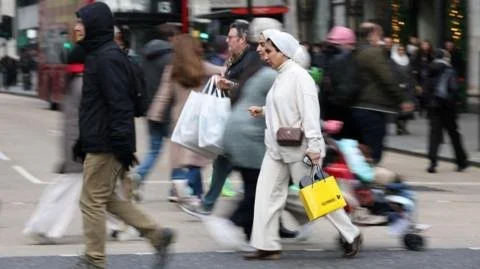
As the UK economy enters a new year, the latest figures reveal a landscape that is neither in crisis nor prosperous. It’s a pivotal moment to reassess policies and sentiment, particularly through the lens of consumer confidence—a key indicator that reflects the nation’s economic mood. The GfK Consumer Confidence Barometer, which gauges public sentiment about the economy, has shown interesting trends over the years. Traditionally, confidence levels across different age groups move in sync, but current data suggests a disconnection following significant events like Brexit, the pandemic, and economic fallout from the Russia-Ukraine war.
The analysis indicates that while confidence among younger generations is rising, especially with the 2024 General Election creating a new political landscape, older individuals, particularly those over 50, are experiencing a drastic decline in optimism. This divergence hints at a political influence on economic sentiment, where younger voters—who felt empowered by a government they supported—display a positive outlook, contrasting sharply with the disillusionment felt by older voters aligned with previous administrations.
Social media might contribute to this disparity, amplifying negative perceptions and reinforcing the idea among older citizens that the country’s situation is grim. Interestingly, this shift in sentiment is accompanied by economic factors such as interest rate cuts, which favor younger individuals looking to purchase homes and start careers, while simultaneously creating challenges for older savers who feel the pinch of lower returns.
Despite the prevailing concerns, many businesses are reporting strong sales, defying expectations. For example, notable retailers and pub chains have posted impressive growth figures. The UK’s savings rate remains high as older citizens are hesitant to spend, further complicating the GDP picture.
While inflation trends downward and economic plans for 2025 suggest recovery, the deeply politicized nature of current consumer confidence could serve as a brake on that momentum. The article underscores how consumer sentiment is intricately linked to political identity, shaping the economic narrative moving forward.