
Censorship or Justice? Court Ruling Protects Social Media Warrior Against Government Overreach
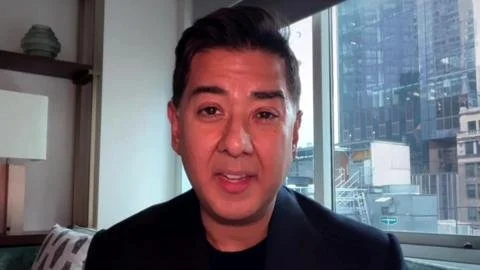
In a remarkable case of legal intervention, a US judge has stepped in to temporarily block the detention of Imran Ahmed, a British social media campaigner and the founder of the Center for Countering Digital Hate. Ahmed, who is also a US permanent resident, challenged the Trump administration’s decision to revoke his visa, labeling the move as an attempt to silence those who hold tech platforms accountable for online hate speech.
Ahmed was among a group of five individuals barred from entering the US under allegations that they were trying to coerce tech companies into censoring opinions contrary to their own. This move faced significant backlash from European leaders defending the rights of such organizations in monitoring and calling out harmful online content.
The uncertainty surrounding Ahmed’s future escalated as he expressed fears of being deported, which would separate him from his American wife and child. His legal battle took a decisive turn when US District Judge Vernon S Broderick issued a temporary restraining order, preventing the government from detaining Ahmed before his case is properly evaluated.
Reacting positively to the judge’s ruling, Ahmed firmly stated his intention to continue his fight against social media’s dangers and antisemitism, asserting he will not be bullied by political pressures. His attorney, Roberta Kaplan, emphasized that the federal government cannot deport a green card holder for their vocal stance on critical social issues.
The case has broader implications: it highlights ongoing tensions between efforts to monitor hate speech online and the First Amendment rights of individuals. Ahmed further revealed that his organization has been on the receiving end of legal threats from tech giants, including Elon Musk, for exposing the rise in hate speech linked to the restructured social media landscape. These developments illustrate the complex and often contentious relationship between technology, regulation, and free speech.