
Davos 2023: A Global Showdown in the Swiss Alps Amidst Disruption and Ambitions
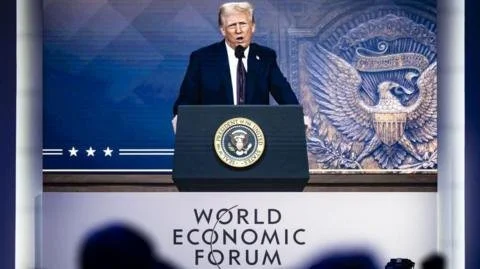
As world leaders and business magnates gather for the biggest-ever World Economic Forum (WEF) in Davos, all eyes are on Donald Trump, the self-proclaimed disruptor-in-chief. With a backdrop of geopolitical tension over territory, specifically Trump’s controversial interest in Greenland, this year’s forum becomes a hotbed of global discourse.
Trump, who once addressed the forum from the White House post-inauguration, is set to make his presence felt at Davos, seemingly to promote an aggressive Team USA agenda. This year’s theme, ”A spirit of dialogue”, contrasts sharply with the current stance of the U.S. administration, which has been seen as fostering division rather than collaboration - a paradox at a gathering that’s traditionally prioritized global cooperation.
In a politically charged atmosphere, European leaders may find Trump’s ambitions less than favorable, particularly as he pushes for more economic independence from Europe, reminiscent of his earlier tariffs and trade discussions. Meanwhile, Canadian Prime Minister Mark Carney emerges as a preferable North American counterpart, promoting a multilateral vision at odds with Trump’s focus on unilateral strength.
This unique summit will host a wide array of influential figures, including Ukrainian President Volodymyr Zelensky, as well as leaders from the G7 and Chinese finance ministers, who symbolize a shifting global landscape and a challenge to U.S. dominance. Amidst economic debates, the potential for an informal Yalta-like summit could arise, given the tensions around borders and sovereignty.
As the world watches the interplay of power, the importance of Davos cannot be overlooked - where innovation meets diplomatic discourse. They may highlight the consequential paths our leaders pursue in areas like technology and trade, suggesting the future directions of global policy are up for grabs in this distinctly multifaceted gathering.