
Why the U.S. Is Turning to Finland for Cutting-Edge Icebreakers: A Strategic Maritime Shift
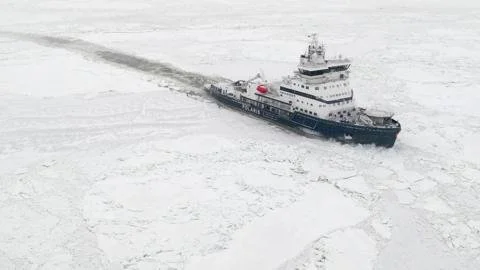
As the U.S. intensifies its focus on the Arctic, driven by geopolitical strategies amid climate change, it has decided to procure advanced icebreakers from Finland, the global leader in this technology. These powerful vessels are essential for navigating icy waters, particularly as increased melting ice opens new shipping routes above Russia and Canada, and makes oil and gas explorations more accessible.
The U.S. Coast Guard’s new orders include four icebreakers to be constructed in Finland, alongside another four to be built in the U.S. using Finnish designs. This decision marks a significant national security concern, as the U.S. currently lags behind Russia and China in icebreaker capability—while Russia boasts about 40 icebreakers, including eight nuclear-powered ones, the U.S. has only three.
Finland’s expertise in icebreaker technology stems from its unique climatic conditions, with severe winters freezing harbors, necessitating a fleet of reliable ships to ensure shipping routes remain open year-round. According to Maunu Visuri, president of Finnish state-owned Arctia, Finland is practically an island, relying on sea imports for 97% of its goods. This local demand has fostered unparalleled proficiency, exemplified by the fact that Finnish companies have designed 80% of the world’s icebreakers.
The collaboration between the U.S. and Finland also reflects a broader geopolitical strategy. Analysts suggest that icebreakers serve not only practical purposes but are also key to projecting military power in the Arctic, asserting one’s status as an Arctic state. The urgency of this issue escalated post-Trump’s remarks on securing U.S. interests in these frigid waters, as tensions rise with Russia and China over Arctic navigation and resource extraction.
The decision to waive U.S. domestic shipbuilding requirements on national security grounds indicates the significance of securing advanced icebreaker capabilities promptly. With the first of the Finnish-built vessels expected to be delivered by 2028, this partnership underscores the intersection of defense, commerce, and environmental considerations in Arctic policy.