
Global Growth on a Tightrope: IMF Alerts on Trade Tensions and AI Risks
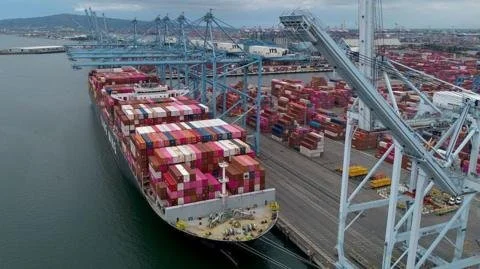
The IMF has raised alarms about potential threats to the global economy, emphasizing trade tensions and a possible downturn in the artificial intelligence (AI) boom as significant risks. In its latest world economic outlook, the fund described the global economy as relatively steady and projected a 3.3% growth for this year, slightly up from a previous estimate of 3.1%. However, it anticipates a gradual slowdown to 3.2% by 2027. Chief economist Pierre Olivier Gourinchas noted a robust growth trend, despite challenges posed by Donald Trump’s threats to impose tariffs on European nations regarding his Greenland takeover proposal.
While the global economy has been buoyed by increased investments in technology, particularly in AI, the IMF warned that if expectations surrounding AI growth were overly optimistic, an abrupt market correction could follow. Such a correction would affect wealth and consumer spending, potentially leading businesses to reevaluate their investment strategies. The report indicated that rising firm debt for AI investments could further destabilize economic growth.
In addition to the AI concern, the IMF cautioned that ongoing trade tensions could introduce uncertainty into the global market, affecting financial systems, supply chains, and commodity prices. Domestic political and geopolitical tensions could exacerbate these uncertainties.
In terms of country-specific forecasts, the UK economy is projected to grow by 1.3% in 2025, making it the third-fastest growing economy in the G7. However, the report also noted that UK inflation would likely decrease to the target rate of 2% by the end of this year, driven by changes in regulated industries. The significance of central bank independence was stressed as essential for maintaining macroeconomic stability and avoiding inflationary pressures. Recent challenges to this independence, particularly in the US, highlighted its critical role in ensuring long-term economic health. Without central bank autonomy, the economic landscape could deteriorate significantly, leading to self-defeating cycles of inflation and increased borrowing costs.