
Gold Soars Beyond $5,000: A Safe Haven Amid Global Turbulence
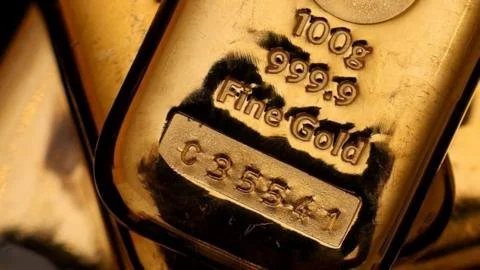
In a historic milestone, the price of gold has surged past $5,000 an ounce for the first time, reflecting a massive 60% increase in 2025 alone. This price rally is fueled by escalating tensions between the US and NATO over Greenland, alongside concerns regarding geopolitical and financial stability, particularly in light of recent threats from President Trump regarding trade tariffs with Canada. Gold, often perceived as a safe-haven asset, gains traction during times of uncertainty, and this trend continues as silver also reached an unprecedented $100 an ounce.
Multiple factors have been driving the demand for precious metals, including higher inflation, a weak US dollar, strategic purchases by central banks, and expectations from the Federal Reserve to cut interest rates again this year. Additionally, geopolitical conflicts, such as the wars in Ukraine and Gaza, have contributed to the rising prices.
The World Gold Council estimates only 216,265 tonnes of gold have ever been mined, emphasizing the metal’s relative scarcity. Experts highlight that gold’s value lies in its independence from debt, providing a robust diversification strategy in an uncertain economic climate. As identified by Nicholas Frappell, gold is especially appealing during tumultuous times, likening it to a safeguard that is not reliant on equities or bonds.
The trend from 2025 highlights an influx of investors into precious metals amid a highly volatile investment landscape, sparking concerns over US trade policies and the overvaluation of AI stocks. According to Nikos Kavlis, this uncertainty surrounding US policies has largely influenced the soaring prices. Furthermore, predictions indicate that potential cuts in interest rates might also increase gold’s allure, as lower returns on government bonds make gold a more attractive option.
Central banks have been major players, significantly augmenting their bullion reserves, which signals a shift away from reliance on the US dollar and benefits gold’s standing. However, despite the current boom, experts like Frappell caution against solely relying on market sentiments, which could rapidly change.
Beyond investment, regions like India and China see traditional purchasing of gold during festivals and celebrations, which also adds to the total demand. In India, it is estimated that households hold around $3.8 trillion worth of gold, reflecting its cultural significance and the role it plays in wealth accumulation and luck. As the Chinese New Year approaches, demand is expected to spike as well, in line with cultural beliefs surrounding gold.