
Insulation Schemes in Crisis: MPs Warn of Health Risks and Fraud
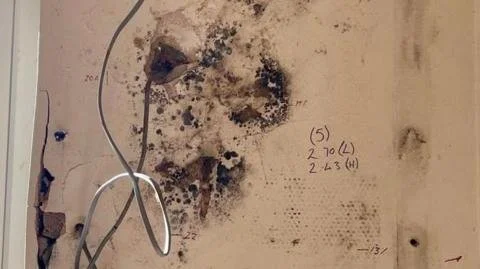
A disturbing report from the Parliamentary Public Accounts Committee sheds light on the failed government insulation schemes ECO 4 and GBIS, which have left thousands at risk in their own homes. Following a catastrophic failure of these programs, major defects have been detected in over 30,000 houses since 2022. MPs expressed that the design flaws were so severe that the schemes were practically doomed to fail, highlighting a staggering level of non-compliance by installers that warrants investigation for fraud.
Key Findings:
Reports of severe defects have led officials to question the credibility of the government’s response, which asserts that health risks are not widespread, contradicting numerous accounts of poor-quality work resulting in dampness, black mold, and dry rot.
The committee criticized a lack of government oversight, stating that senior officials were mostly unaware of the schemes’ performance for up to two years.
Only a small percentage—less than 10%—of affected homes have seen repairs since issues were first raised in October 2024.
Trustmark’s Role:
The oversight organization Trustmark has also come under fire for delayed reporting of failed insulation jobs, stirring concerns over their commitment to consumer protection. Although the government pledged that repairs would be covered at no cost to homeowners, the committee indicated that actual costs could escalate beyond the promised limits, citing individual cases where damages exceeded £250,000.
Government Response:
Martin McCluskey, Minister for Energy Consumers, acknowledged the systemic failures inherited from the past administration and stressed that affected households would be audited without any cost. However, the committee remains skeptical, accusing the Department for Energy Security and Net Zero of downplaying the underlying issues.
With the National Audit Office estimating potential fraud between £56m and £165m, MPs argue that the real extent is likely much higher. As the government announces the cancellation of the ECO scheme in favor of increased local authority funding, the urgency for a comprehensive solution to these deep-seated problems remains critical.