
Green Hydrogen's Countdown: Will Germany Miss the Boat?
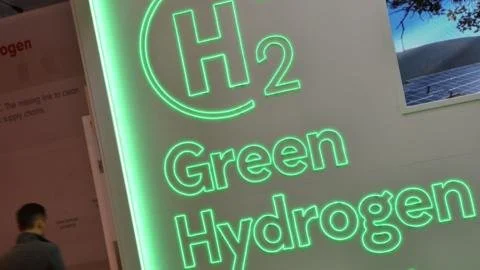
In a quiet factory near Hamburg, Quest One is poised to make a mark in the green hydrogen market with its cutting-edge electrolysers—devices that split water into oxygen and hydrogen using proton exchange membranes. Yet, despite their advanced technology, the demand for these machines has not matched supply, leading to a significant 20% workforce reduction at the plant.
Nima Pegemanyfar, the company’s executive vice president, emphasizes that the core issue plaguing the industry is not a lack of capability, but rather a sluggish demand for green hydrogen, primarily due to its high production costs compared to fossil fuels. Currently, low-emissions hydrogen production accounts for less than 1% of global hydrogen output, with hopes to cut the costs of green hydrogen down to €4 per kilogram, amid concerns that market demand does not justify the necessary investments.
Further complicating matters, there’s a disconnect between the sectors needing green hydrogen, such as the chemical, steel, and shipping industries, versus initiatives focused on less efficient applications like heating buildings and fueling cars. Criticism from experts like Christian Stöcker highlights the risk of green hydrogen being co-opted by fossil fuel companies to sustain outdated infrastructures.
Significant investments are underway, such as plans for a hydrogen pipeline network from Hamburg and underground storage facilities. However, critics raise concerns about potential environmental and cultural impacts on regions supplying hydrogen, particularly as Germany seeks to secure its position against emerging competitors like China, which dominates the electrolyser market with a 60% share.
The German government views hydrogen as essential for climate goals, yet its easing ambitions amid high costs lead many in the industry to seek greater support to bolster domestic production and keep pace with international rivals. As cancellations and delays of projects pile up—52 in the last 18 months alone—figures like Ivana Jemelkova, CEO of the Hydrogen Council, note that while setbacks are evident, the broader landscape for hydrogen solutions continues to evolve.
For German companies increasingly ready to produce green hydrogen, the urgency is palpable; they face a crucial juncture where waiting for market stability could risk losing out on a transformative energy future.