
Navigating Tensions: The Boatload of Activity in the Strait of Hormuz
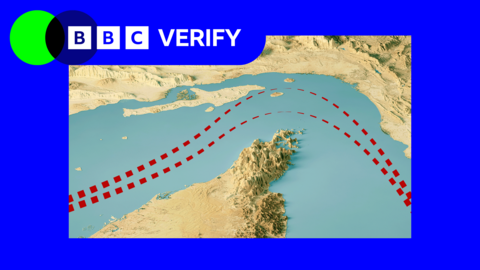
The Strait of Hormuz, one of the world’s most vital maritime chokepoints, sees a staggering 20% of the global oil trade pass through its waters daily. In this critical passage, over 60 ships traverse the strait each day, carrying everything from oil and gas to goods vital for international trade. Tensions in the region can significantly impact these numbers, causing fluctuations in shipping traffic.
Ship movements are monitored closely, with a variety of vessels, including oil tankers, container ships, and military vessels, frequently seen in the strait. Increased scrutiny of navigation routes has heightened due to rising geopolitical tensions and security threats, making the delivery of goods through this narrow bend more challenging.
Maintaining secure and uninterrupted passage through the Strait of Hormuz is essential for global economies, as any disruption could lead to significant spikes in oil prices and affect various markets worldwide. The intricacies of maritime governance, regional politics, and international relations all intertwine in this strategic waterway, making it a focal point for current events.
In conclusion, understanding the dynamics of the ships crossing the Strait of Hormuz is crucial for grasping the larger narrative of energy security and global trade in an era marked by uncertainty and global interdependence.