
Oil Prices Soar Over $100: What Does This Mean for Global Markets?
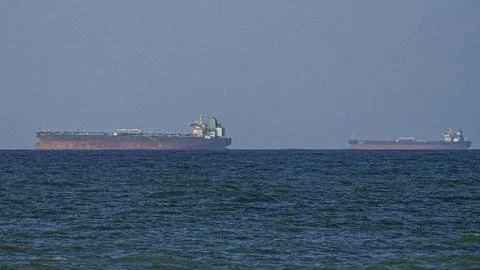
In a dramatic turn of events, oil prices have surged back above $100 per barrel following the collapse of peace talks between the United States and Iran. The failed negotiations have reignited fears of potential supply disruptions in the already fragile oil market. As geopolitical tensions rise, analysts are closely monitoring the implications for both global energy markets and the broader economy.
With the U.S. sanctions still in place against Iran, their ability to return to full oil production remains uncertain. This uncertainty fuels speculations about future shortages, prompting investors to react swiftly.
Market watchers are keenly aware that the rebound in oil prices could lead to higher inflation rates, impacting consumer spending and economic growth. Experts suggest this upward trend in oil may have a ripple effect through various industries, raising costs for fuel and manufacturing.
Furthermore, other oil-exporting nations may leverage this situation to stabilize their economies, while consumer nations brace for the financial repercussions. The landscape of global oil supply is changing rapidly, and the failure of these talks could further complicate affairs, enhancing volatility in the market.
As the situation develops, stakeholders and policymakers are urged to navigate these turbulent waters with caution, keeping an eye on how future negotiations—or continued standoffs—might affect not only oil prices but also geopolitical stability in the region.