
Shrink Your Waist, Expand Your Wallet: How Weight-Loss Injections are Revolutionizing Spending Habits
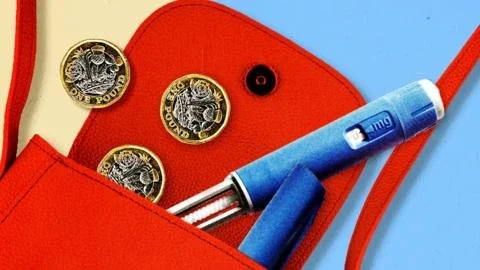
In 2024, weight-loss injections have emerged as a game-changer not just for dieters but for the entire retail landscape, with around 1.6 million people in the UK using these jabs, according to a study from University College London. These injections, which mimic the natural hormone GLP-1 to curb appetite, are costing users over £300 monthly, a trend that is prompting businesses to adapt in order to cater to a new wave of health-conscious consumers.
Individuals like Sam Gillson and Annie Haslam share their transformation stories, noting significant changes in their purchasing patterns. After embracing these injections, Sam reported a reduction in his grocery bill as he shifted towards fresh, nutrient-dense foods and cut back on unhealthy frozen meals. Supermarkets have already begun responding, introducing smaller portion sizes and healthier ready meal alternatives.
Experts predict the rise of nutrient-rich products and a new focus on mindful eating, supported by a survey from KAM Insight, which indicates that nearly one-third of GLP-1 users are dining out less frequently. Evidence also reveals a drop in alcohol consumption among these users, with a 15-percentage point decrease in alcohol volume within their households, correlating with a growing trend toward sobriety and health. This trend is resonating in realms outside of food, impacting fashion as many individuals, like Annie, who shed clothing sizes find a need to replace their entire wardrobes, presenting a possible boost for second-hand fashion markets.
Shifts in spending are also being observed in the beauty market, where users of weight-loss jabs are reportedly investing more in healthcare and beauty products. However, these changes are also recognized as part of broader wellness trends that predate the popularity of weight-loss drugs. Fitness companies are experiencing a surge in demand as more individuals pursue fitness services post-weight loss, leading to an increased focus on developing tailored support for these consumers. Overall, as consumer habits evolve through the influence of these weight-loss injections, sectors across retail, food services, and beyond are being challenged to adapt to this new landscape of health-oriented spending.