
TikTok's Bold Move: A New Era for the US App Amidst Controversy
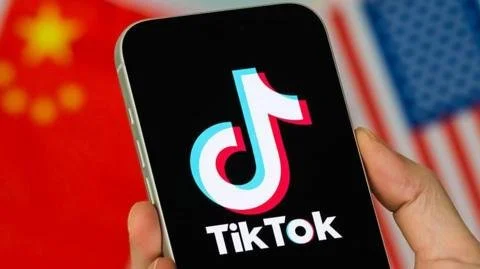
TikTok has closed a monumental deal that secures its operation in the US, amid ongoing tensions surrounding its Chinese ownership by ByteDance. After years of pressure from the US government over national security concerns, this agreement marks a significant turning point since discussions about a potential ban first began during Donald Trump’s presidency. TikTok was at risk of being banned in January 2025 if ByteDance did not divest its US operations, leading to a prolonged legal and regulatory tug-of-war.
Despite ongoing skepticism about the app’s safety, ByteDance and TikTok have firmly denied allegations that user data could be compromised by the Chinese government. As part of the deal, the powerful recommendation algorithm behind TikTok, often termed the platform’s “secret sauce”, will now be licensed to a new American entity named TikTok USDS Joint Venture LLC. This algorithm will be retrained using only data from US users, promising a distinct operational model tailored to meet American privacy standards.
The joint venture will operate under a governance structure featuring a seven-member board predominantly made up of American executives, including Adam Presser as CEO. Major stakeholders such as Oracle, known for its cloud services, hold a 15% stake each alongside tech investment firm Silver Lake and Abu Dhabi-based MGX. ByteDance retains a 19.9% stake, ensuring a continued interest in the new operational landscape.
Alongside the deal’s strategic implications, experts speculate on the potential changes to user experience. The algorithm’s retraining might lead to a different TikTok experience in the US, perhaps slowing down its current success in content recommendation as it emerges from a new, secure Oracle cloud environment. As TikTok adjusts to this landscape amid pressures and scrutiny, the reactions from its 200 million American users will be pivotal in assessing the deal’s impact.
The agreement signifies not only a shift in business operations but also a changing relationship between the US and Chinese tech industries, driven by the desire to balance technological advantage with national security.
This new chapter for TikTok holds promise but also uncertainty on how the app will evolve while maintaining the connection with its user base.