
Streaming Wars Heat Up: Netflix's All-Cash Bid for Warner Bros Discovery
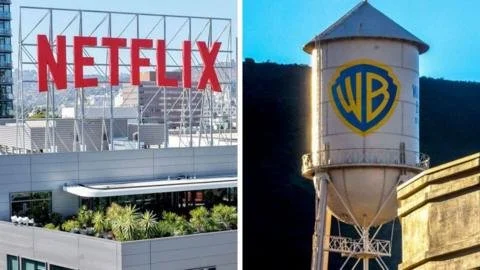
Netflix has ramped up the competition for Warner Bros Discovery’s streaming and film division with an all-cash offer, switching from a previous bid that included shares. This strategic move aims to enhance certainty for shareholders, allowing for a quicker vote on the deal that has been challenged by rival Paramount Skydance, which continues to push for its own acquisition despite past refusals.
Under Netflix’s proposal, the company would pay $27.75 per share, valuing the entire business at approximately $72 billion (£54 billion). The overall transaction, factoring in debt, would put the enterprise’s value at around $82 billion (£61 billion), promising shareholders additional shares from the impending spin-off of Warner’s other holdings, like CNN. Paramount’s bid stands at $30 per share, performing a valuation of $108 billion (£80 billion), but it faces criticism for undervaluing Warner’s brand assets.
Despite the fierce bidding war, Warner Bros has shown a preference for Netflix, rightfully questioning how Paramount plans to finance its offer. Samuel Di Piazza, Jr, chair of Warner Bros’ board, states that the switch to an all-cash offer underscores the commitment to maximizing shareholder value. Critics have voiced concerns about the consolidation of power through these mergers, fearing the consequences of too much influence resting within one company.
Since the initial announcement, Netflix’s stock has seen over a 10% drop, reflecting investor apprehension towards the deal. Nevertheless, the company reported strong quarterly growth, noting an 18% revenue surge and a gain of 325 million subscribers globally, asserting its position against its growing competition.
In a recent letter to shareholders, Netflix highlighted the complementary nature of both companies, asserting that this strategic pairing would lead to an enriched catalog of content and greater personalization in streaming services while expressing its commitment to investing in production within the U.S., ultimately promising enhanced opportunities for creators in the entertainment landscape.