
Tax Trouble: How the New Budget Is Impacting Families and Workers Across the UK
Chancellor Rachel Reeves has unveiled her latest Budget, introducing significant changes that will impact individuals from various walks of life. Notable measures include a freeze on income tax thresholds, which critics argue serves as an indirect tax increase for middle and lower earners as inflation adjusts salaries upward over time.
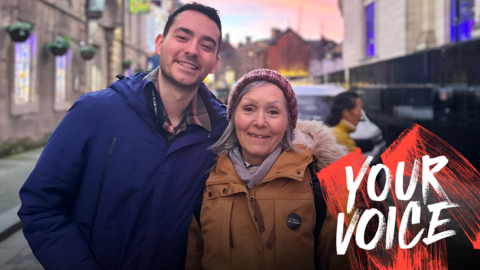
Deborah Crowley, a 63-year-old NHS administrator working 33 hours a week, expressed both approval and disappointment in the Budget. She appreciates the proposed mansion tax on homes valued over £2 million, believing it could support the NHS and local communities. However, the extended freeze until 2031 on tax thresholds threatens to raise her tax burden, forecasting an increase of £871 in income tax by 2031 if her salary keeps pace with inflation. She feels that the more substantial reforms, like scrapping the two-child benefit cap, should have been a priority.
Speaking from a different perspective, Neal Stead, with a combined household income of around £100,000, discussed how he feels penalized by changes to tax-free savings limits. The drop from £20,000 to £12,000 for ISAs is poised to undermine financial preparedness, particularly as retirement approaches. He warns that despite being marketed as a solution to cost-of-living issues, his expenses are likely to climb rather than ease.
Kat Watkins, a disabled worker reliant on universal credit, responded positively to some measures like the reduction of energy levies, predicting annual savings of £150. Nonetheless, she criticized revisions to the Motability scheme that would restrict access to suitable vehicles for those needing specialized transport.
The thriving electric vehicle community also faced challenges from the Budget. Steve Williams noted the introduction of a pay-per-mile tax, adding to existing costs such as excise duty and VAT on electricity, suggesting a growing punitive environment for early adopters of green technology.
For Wesley Thorne, the Budget felt underwhelming, especially as his hopes for changes to stamp duty were dashed. He lamented no visible encouragement for small businesses amidst rising cost pressures.
Finally, Fatima Tehan Jalloh, a single mother in council housing, expressed frustration over the lack of support for childcare and the uncapped costs in travel, characterizing the overall sentiment towards the Budget as disappointing and unhelpful.
Overall, Reeves’ Budget reveals a contentious landscape where individuals see mixed benefits, increased tax burdens, and insufficient support measures at a time when many are struggling to cope with the rising cost of living.