
The Race for Fed Leadership: Who Will Trump Choose?
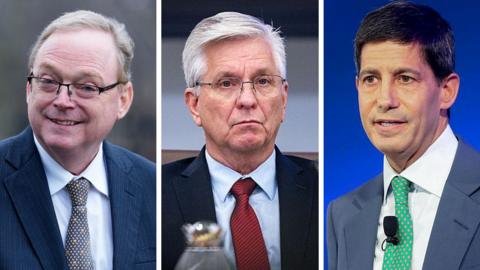
In a high-stakes game of musical chairs, the search for a new Federal Reserve Chairman is coming to a head as President Trump gears up to nominate a successor to Jerome Powell before his term ends in May. The next leader of the US central bank will face significant hurdles, from political pressures to internal debates over interest rates, as credibility issues loom amid Trump’s push for lower borrowing costs.
Top Contenders for the Role:
Kevin Hassett:
- A seasoned conservative economist and former chair of the White House Council of Economic Advisers, Hassett, 63, has solid ties to Trump but has seen his chances diminish since December. As a strong supporter of Trump’s policies, concerns exist regarding his ability to act independently at the Fed. He recently acknowledged the importance of the Fed’s independence but argued for rate cuts based on current economic data, though doubts linger among analysts about his persuasive power with other policymakers.
2. Kevin Warsh:
- Former Fed governor from 2006 to 2011, Warsh, 55, is back in contention, having briefly topped prediction markets. Known for his hawkish stance on interest rates during his tenure, he now calls for a reduction in rates and has been vocal against the Fed’s reliance on data and asset management. His close familial connections to Trump through his billionaire father-in-law may boost his candidacy.
3. Christopher Waller:
- Currently serving as a Fed governor, Waller, 66, recently interviewed with Trump and has garnered support for his pragmatism. Although lacking the close ties of rivals, he is seen as a potentially sensible choice, especially with two more Fed board positions potentially opening up next year. Wall Street investors view him favorably due to his relative independence from Trump’s administration.
Other candidates like Rick Reider from BlackRock and Treasury Secretary Scott Bessent have also surfaced in discussions, but the final decision remains closely watched by financial markets. Ultimately, regardless of who Trump selects, the prevailing mood on Wall Street will significantly influence their success in office.