
Discover Your Military Potential: The UK's Innovative Gap Year Initiative to Recruit Young Talent
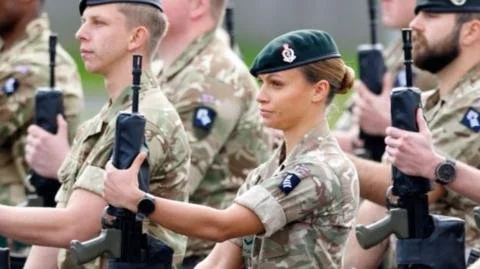
The UK government is launching a groundbreaking ”gap year” scheme aimed at school and college leavers, providing an opportunity to experience life in the Army, Royal Navy, or Royal Air Force without requiring long-term commitment. This initiative targets those under 25 years old and seeks to address ongoing recruitment and retention challenges in the armed forces.
Starting in spring, applications will be open for the first 150 recruits, with a vision to expand to ***1,000 young participants*** annually. Although the exact compensation details remain undisclosed, Defence Secretary John Healey emphasizes the program’s potential to impart valuable skills and training beneficial for any career path.
Participants in this program will not engage in active operations. The Army component includes 13 weeks of basic training as part of a two-year placement, while the Navy’s scheme spans a year, providing general training for sailors. The RAF’s portion is still in development. Unlike the existing Army option for university students aspiring to become officers, which saw fewer than 10 enrollments last year, the new scheme intends to broaden access.
Healey advocates for the armed forces opportunities to be discussed among families, especially during times when young individuals are contemplating their futures. He quotes that the nation faces new threats necessitating a ”new era” of defense, reinforcing this initiative as part of a ”whole-of-society approach” toward national security, especially in light of potential confrontations with Russia.
Opposition voices, including Shadow Defence Secretary James Cartlidge, criticize the scheme’s limited scale, arguing that recruiting 150 participants is insufficient for the UK’s defense readiness. The gap year initiative follows recommendations from the June strategic defense review, drawing inspiration from the Australian Defence Force’s (ADF) similar program that has successfully operated for over a decade, with 664 individuals enlisting in 2023 alone.
This initiative is also one part of broader proposals to enhance military engagement, including plans to increase cadet numbers by 30%. As European nations like France and Germany reintroduce national service in response to security threats, comments from former Army Chief Lord Richard Dannatt suggest that while the UK’s scheme may aid recruitment slightly, it primarily provides young people with valuable insights into military discipline and problem-solving skills.