
Should Freedom of Speech Come with Consequences? The Controversial Case of Alaa Abd El Fattah
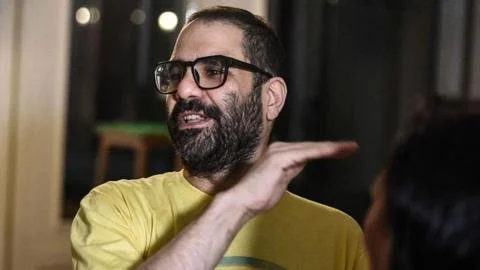
Alaa Abd El Fattah, a British-Egyptian democracy activist recently released from an Egyptian prison, has stirred up a political storm in the UK. After his arrival, old tweets surfaced, leading to calls from Tory leaders and some Labour MPs for his deportation and revocation of British citizenship. These tweets included violent rhetoric against Zionists and police, raising serious questions about his fitness to remain in the UK.
In his apology, Abd El Fattah expressed remorse for the hurtful nature of some comments, stating that many were taken out of context and twisted. Despite his claims of misinterpretation, political figures like Kemi Badenoch and Nigel Farage are advocating for serious consequences. They argue that anyone expressing such extreme views should not be welcomed in Britain, while others stress the legal challenges of revoking citizenship from someone who has upheld their right to reside in the country under British law.
The UK government has begun an internal review of how the case has been handled, highlighting the complexity of citizenship laws and human rights. Abd El Fattah’s comments are not just personal statements; they reflect a broader debate about freedom of expression versus national security and community safety.
The Board of Deputies of British Jews has voiced concern, calling into question the lack of due diligence on the part of various political parties who campaigned for Abd El Fattah’s release without acknowledging his troubling history. Meanwhile, human rights organizations like Amnesty International continue to support him, acknowledging his activism while condemning any intolerance or hate speech.
This situation raises critical questions about how societies manage free speech, especially when past statements complicate the narrative surrounding figures who advocate for change. As the UK navigates this politically charged atmosphere, how will government officials balance human rights advocacy with public safety and community sentiment?