
Power Players Unite: Trump's New Board of Peace Aims to Transform Gaza
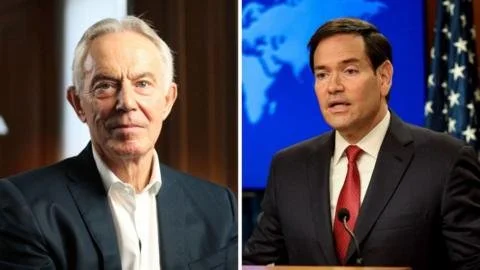
In a bold move, the Trump administration has assembled a high-profile “Board of Peace” to oversee the reconstruction of Gaza and promote stability following the recent conflict. Among its members are US Secretary of State Marco Rubio and former UK Prime Minister Sir Tony Blair, demonstrating a mix of political expertise and diplomatic experience. The board’s announcement was made public by the White House, emphasizing its role in a 20-point plan aimed at resolving the ongoing tensions between Israel and Hamas.
Trump will chair the board, which will focus not only on philanthropy but also on diplomatic strategies to foster investment and collaboration in the region. Members of the founding executive board include Marc Rowan (CEO of a private equity firm), Ajay Banga (World Bank chief), and Robert Gabriel (a US national security adviser). Each member’s expertise is deemed crucial for Gaza’s long-term stabilization.
Additional international leaders such as Canadian Prime Minister Mark Carney and Argentinian President Javier Milei have accepted invitations to join the board, while Egyptian President Abdel Fattah al-Sisi is still considering participation. Notably, Sir Tony Blair’s involvement prompts discussions given his controversial past regarding the Iraq War, yet he brings valuable negotiation skills from past engagements like the Good Friday Agreement.
Alongside the Board of Peace, a National Committee for the Administration of Gaza (NCAG) has been created to handle everyday governance. Ali Shaath, a former Palestinian Authority minister, will lead this committee, while Nickolay Mladenov will serve as the board’s on-ground representative in Gaza.
The US plan calls for an International Stabilisation Force (ISF) to ensure security and aid in demilitarizing Gaza, with Major General Jasper Jeffers leading this multinational effort. The first phase of the peace plan saw a ceasefire and multiple agreements, but challenges remain, including accusations of violations from both sides and a high death toll among Palestinians. As humanitarian needs intensify, the UN calls for urgent aid access. The initiative marks a significant step in addressing the complex dynamics of the Gaza conflict, but its success hinges on cooperation from various factions and unwavering international support.