
Secrets, Scandals, and System Errors: The Cabinet Office's Royal Document Fiasco
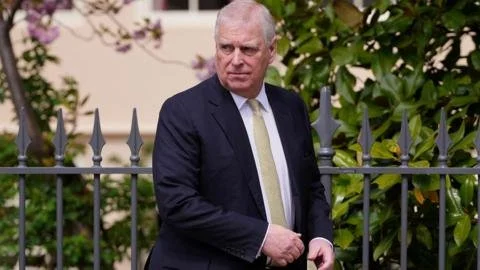
The Cabinet Office recently attributed a blunder in documents concerning Andrew Mountbatten-Windsor to an “administrative error,” sparking controversy over the release of sensitive information. A file from 2004 and 2005, initially released as part of the annual record transfers to the National Archives, included royal visit minutes involving Andrew, who was then the Duke of York and serving as a UK trade envoy. This information was later redacted after being disclosed to journalists.
The spokesman from the Cabinet Office stressed that these documents were not meant for public access, underscoring the adherence to the Public Records Act and extensive review processes. However, critics argue that there is no justification to withhold such papers, especially as Andrew’s connections to Jeffrey Epstein have overshadowed his royal status. Graham Smith, head of Republic, a campaign group advocating for transparency regarding the monarchy, stated that the royals are among the UK’s most secretive institutions and the public deserves access to these documents.
The withdrawn minutes reportedly discussed routine matters such as Andrew’s overseas travel plans that earned him the nickname ”Airmiles Andy.” In a broader context, the newly released documents reveal not only Andrew’s travel but also insights into other significant political events, including the UK’s stance on military action in Zimbabwe against Robert Mugabe, and the government’s apologies for diplomatic faux pas regarding a telegram to the Queen Mother.
Additionally, revelations regarding the limits of the Freedom of Information Act were highlighted, notably barring the release of details from a Blair-Chirac conversation following Princess Diana’s tragic death, deemed not in the public interest.
Finally, ambitious yet abandoned renovation plans for Downing Street, revealed in the declassified papers, illustrated modern needs for security and facilities enhancement, hinting at an era when such ambitious projects were considered but ultimately set aside.