
Shifting Sands: The OBR's Leadership Change and Its Implications for UK Economics
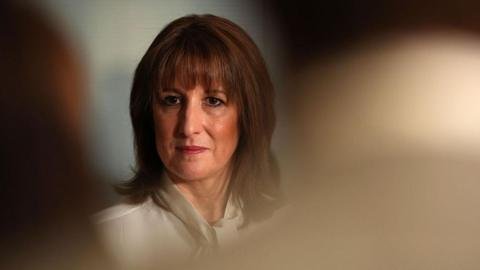
In a surprising turn of events, Richard Hughes, the chairman of the Office for Budget Responsibility (OBR), has resigned, primarily due to the early release of Budget information. This dramatic shift presents significant challenges for Rachel Reeves, as she now faces the critical task of appointing a suitable successor who embodies the independence expected of the OBR, while also satisfying political pressures. Hughes’s departure is seen in the context of his refusal to acknowledge any “pro-growth” policies by the government, as none had substantial material impact according to his stringent criteria.
Hughes, who has been an ardent advocate for the OBR’s independence, felt increasingly burdened by growing political discontent from both sides of the aisle, labeling the OBR in some circles as either a component of a “woke deep state” or as an agent promoting “austerity.”
The timing of Hughes’s resignation coincides with pressing decisions around the UK’s economic direction, especially with recent legislative changes that allow the government to only respond to OBR forecasts once annually, limiting the OBR’s influence on economic policy. Although Hughes defended the transparency of the OBR’s forecasts, the relationship between the Chancellor and the OBR is poised to change dramatically, with potential impacts on government borrowing costs and market credibility.
Additionally, the OBR’s recent assessments included a projected improvement in the UK economy, attributing some growth to advancements in AI technology. This further complicates the Chancellor’s position as he must navigate the political landscape ahead of critical local elections, particularly in how he may choose to utilize any financial surplus indicated by the OBR’s forecasts.
As Hughes leaves, he carries with him key insights and data regarding the state of the public finances, along with a remarkable record of managing relationships with five different Chancellors throughout his tenure. The evolving dynamic within the OBR now presents both an opportunity and a potential risk for the UK government, depending on who steps into Hughes’s shoes and how they operate within this changing political climate.