
Will This Budget Save Rachel Reeves from Political Turmoil?
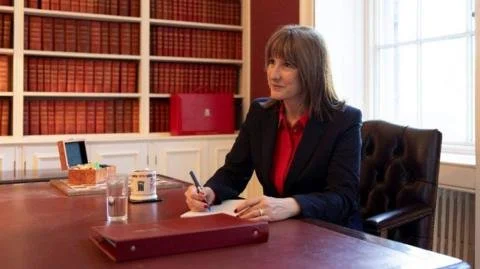
After months of anticipation, Chancellor Rachel Reeves is set to unveil a controversial Budget prioritizing three key areas: cutting the cost of living, reducing NHS waiting lists, and decreasing government debt relative to national income. However, achieving these goals might lead to increased taxes for some, making it a tough sell amidst a backdrop of widespread discontent among voters and Labour MPs. Reeves plans to freeze certain rail fares as part of her strategy to soften the impact of the cost of living; yet, not raising income tax rates may result in smaller, more unpopular tax increases, similar to the public outcry seen from farmers post last year’s announcements regarding inheritance tax.
The pre-Budget atmosphere has been particularly tense this year, marked by extensive briefing, speculation, and even proactive public conversations from the Chancellor herself—unusual for such events. This urgency reflects a pivotal moment for the Labour party, which is grappling with historically low poll ratings and a perception of failing to deliver the promised change. Many MPs feel a sense of impending doom, referring to this phase as the “middle of the end” for their government, prompting fears of challenges to their leadership if the Budget fails to redeem their standing.
As party morale falters and the relationship between ministers and backbenchers remains strained, Reeves is tasked with not only delivering a Budget that meets urgent economic needs but also one that can regain the confidence of her party and the public. Much is at stake, as failure could precipitate serious consequences, including potential leadership battles before the year’s end. With Ministers acknowledging the impatience amongst both MPs and constituents, Reeves’ hope lies in presenting a Budget that buys time rather than exacerbating the precarious state of her government.