
Staffordshire Politics in 2026: A Year of Change, Challenges, and Controversies
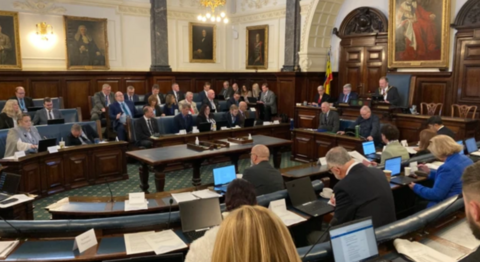
Staffordshire’s political landscape in 2026 is set to be a contentious and transformative year, following a historic majority for Reform UK in 2025 and significant shifts within local government. Here are the five crucial areas to watch:
Leadership Turmoil: Following the resignation of Ian Cooper, who faced allegations linked to racist posts, Reform UK must appoint a new permanent leader. With Martin Murray currently acting in that role, the party faces pressure as allegations against other cabinet members stir public unrest, leading to protests at the last council meeting of 2025. The conclusions from the complaints process will determine if further actions are necessary.
2. Council Tax Increases: Residents in Staffordshire and Stoke-on-Trent should brace for a proposed council tax hike, following a 4.99% increase in 2025. Stoke-on-Trent City Council is grappling with a projected overspend of £14 million, driven by soaring costs in children’s care. Both councils’ financial stability hangs in the balance, relying heavily on government support amidst escalating debts.
3. Major Regeneration Projects: A dramatic transformation is underway in Stafford and Newcastle-under-Lyme. The demolition of parts of the Guildhall Shopping Centre for a new commercial hub and various redevelopment projects are generating enthusiasm for urban renewal. By 2026, Newcastle is set to see substantial developments, including 42 new flats and commercial spaces at York Place, enhancing the local economy.
4. Unitary Authority Restructure: A significant shake-up looms as the government considers overhauling Staffordshire’s local government structure, moving from 10 councils to larger unitary authorities by 2028. This decision aims to streamline services and improve efficiency. With proposals already submitted, all eyes will be on how the final decisions will shape governance in Staffordshire.
5. Upcoming Local Elections: Voters will head to the polls in May 2026, marking a pivotal moment for local governance. The elections will be crucial in assessing whether Reform UK can sustain its gains from 2025 or if there will be a shift in political dynamics, especially with Newcastle being a key indicator of broader political trends.
These developments signal that 2026 will be a year of political significance, challenging decisions, and the potential for redefining the future governance of Staffordshire.Stay tuned for ongoing updates!